Products / Flour & Plant Proteins
Organic • Kosher options • Non-GMO
Flour & Plant Proteins
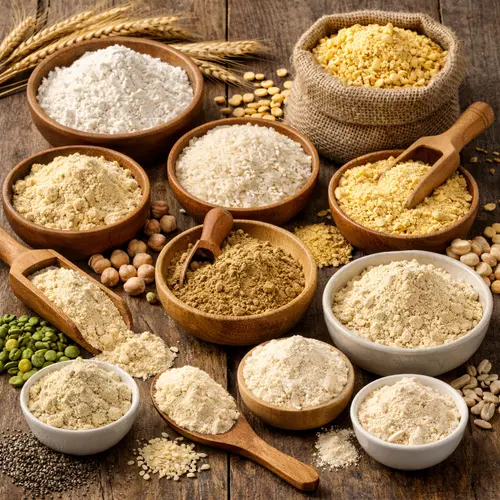
Wholesale supply for flour & plant proteins with organic options, documentation support, and custom processing formats for USA & Canada buyers. We support manufacturers, brands, and co-packers sourcing baking flours, gluten-free flours, and functional plant proteins for high-protein, better-for-you, and clean-label formulations.
Texture
granulation & hydration control
Protein
label claims and nutrition targets
Process
blend-ready formats for production
Docs
QA paperwork support as available
On this page
Jump to typical items, specifications, application guidance, documentation, and the quote form.
Typical items in this category
This category covers conventional baking flours and functional plant-based flours and proteins used in bakery, snacks, bars, and beverage mixes. Availability, origin, and specs vary—request pricing for current options. For the most accurate quote, include your target protein %, granulation/mesh, flavor constraints, and any allergen or claim requirements.
| Ingredient | Common formats | Typical use cases | Notes |
|---|---|---|---|
| All-Purpose Flour | Standard baking flour (varies by protein/ash) | Bakery, breading, batters, dough systems | Ask about protein range and performance targets |
| Wheat Flour | Bread flour, pastry flour, specialty wheat flours (as applicable) | Bread, bakery, noodles, batters | Specify protein %, ash, and milling preferences if relevant |
| Rice Flour | Fine/medium flour, gluten-free programs (as applicable) | Gluten-free baking, coatings, noodles | Granulation affects texture and dispersion |
| Tapioca Flour | Starch/flour, fine powder | Gluten-free baking, thickening, chew/elasticity systems | Often used for texture and binding in GF blends |
| Potato Flour | Flour/powder (granulation dependent) | Gluten-free baking, thickening, texture systems | Moisture and granulation can affect performance |
| Chickpea Flour | Fine flour, toasted options (as applicable) | Protein-forward baking, snacks, savory batters | Ask about flavor profile and color targets |
| Chia Flour | Flour/powder, partial defatting (as applicable) | Fiber/protein positioning, bakery, blends | Hydration and gelling behavior may impact dough |
| Hemp Flour | Flour/powder, typically from presscake (as applicable) | Protein/fiber blends, bakery, snacks | Color and flavor can be distinctive—share constraints |
| Pea Protein | Protein concentrate/isolates (as applicable) | Beverages, bars, meat alternatives, bakery enrichment | Specify protein %, solubility expectations, and flavor targets |
| Sunflower Protein | Protein powders (as applicable) | Allergen-friendly protein systems, bakery, snacks | May be used as a peanut/tree-nut alternative in some concepts |
| Whey Powder, Protein & Isolates | Powders, concentrates, isolates (as applicable) | Protein beverages, bars, dairy applications | Included for buyers comparing plant vs dairy proteins |
Note: Specs for flours often include granulation/mesh, moisture, ash, and protein. Specs for proteins often include protein %, solubility, flavor profile, and functional performance (emulsification, foaming, gelation) depending on application.
Formulation flexibility
Use functional flours and proteins to hit texture, nutrition, and label goals—especially in gluten-free and high-protein formulations.
- Granulation control for mouthfeel
- Protein enrichment for claims
- Blend-ready options for production
Process alignment
We help align ingredient selection to your equipment—mixers, extruders, depositors, and sheeters—so you can maintain throughput and consistency.
- Flowability and dust control
- Hydration timing considerations
- Consistency across releases
Documentation support
Manufacturer-focused documentation support where available: COA, specs, allergen statements, and claim documentation for onboarding and receiving.
- Lot-level COA (where offered)
- Specs aligned to your QA needs
- Traceability and origin support
Flour types & specification considerations
Flour performance depends on granulation, protein and starch behavior, and how the flour hydrates in your system. Below are common spec levers that matter to R&D and QA teams when sourcing flour at scale.
Conventional baking flours
Wheat and all-purpose flours are often specified by protein range and performance targets for dough strength and finished texture.
- Protein range: influences gluten development and structure
- Ash/mineral: relates to extraction and color
- Granulation: impacts absorption and mixing behavior
- Enzymatic activity: can affect fermentation and browning
- Application fit: bread vs pastry vs batter systems
Tip: If you’re matching an existing flour, share your current spec sheet (protein/ash/moisture) to reduce reformulation time.
Gluten-free flours & starches
Rice, tapioca, and potato flours/starches are commonly used in gluten-free systems for structure, chew, and thickening. Performance is driven by granulation and hydration behavior.
- Granulation/mesh: drives mouthfeel and dispersion
- Hydration: affects dough/batter viscosity and stickiness
- Color/whiteness: important for light baked goods
- Viscosity behavior: relevant for sauces and batters
- Gluten program: if required, share your testing/handling expectations
Tip: If you experience grittiness, request a finer granulation or adjust blends to balance structure and softness.
Functional plant flours
Chickpea, chia, and hemp flours can add protein, fiber, and differentiated positioning. They can also change flavor, color, and hydration.
- Flavor profile: beany/nutty notes may need masking strategies
- Color: impacts finished product appearance
- Hydration & gelling: chia can increase viscosity
- Oil content: influences shelf life and texture
- Granulation: affects mouthfeel and mixing
Tip: For snack coatings, control granulation to optimize adhesion without excessive dusting.
Common flour documentation needs
Flour buyers often need consistent documentation for QA release and audit readiness.
- Specification sheets and allergens
- COA (where offered) for moisture/protein/ash
- Non-GMO statements (program-dependent)
- Organic certificates for organic items
- Kosher certificates for certified programs
Tip: If you have a vendor onboarding questionnaire, include it with your quote request to speed up approval.
Plant proteins: specification and performance considerations
Plant protein performance varies by source and processing method. Choosing the right protein often requires balancing nutrition targets, sensory profile, solubility, and application-specific functionality.
Key specs buyers often request
- Protein %: concentrate vs isolate positioning and label goals
- Solubility/dispersibility: important for beverages and ready-to-mix systems
- Flavor profile: bitterness, beany notes, and overall neutrality
- Color: impacts light beverages and bakery appearance
- Particle size: affects mouthfeel and dusting
- Functional behavior: emulsification, foaming, binding (application dependent)
Tip: For RTM beverage mixes, prioritize dispersibility and low grittiness; for bars, binding and moisture management often matter most.
Where plant proteins are used
- Bars: protein enrichment, structure, and chew
- Beverages: nutrition delivery and label claims
- Bakery: protein boost and texture changes
- Savory: binding and functional build in alternative proteins
- Snacks: powder blends and seasoning carriers
Tip: If you’re replacing whey, tell us your target nutrition panel and sensory constraints so we can suggest a suitable approach.
Pea protein considerations
Pea protein is a common choice for high-protein products and plant-forward positioning. Specs can vary widely.
- Often used in beverages, bars, and alternative protein systems
- Specify protein %, solubility, and taste constraints
- Ask about application guidance for mixing and hydration
Tip: If taste masking is a priority, request a “cleaner” flavor profile program where available.
Sunflower protein considerations
Sunflower protein may be used in formulations that prioritize an alternative to common allergen sources.
- Used in bakery, snacks, and some protein blends
- Share color targets if you need a lighter appearance
- Confirm allergen statements to match your policy
Tip: Provide your intended application and target % inclusion so we can align the most suitable spec.
How buyers use flour & plant proteins
Flour and proteins are foundational across many categories—from baked goods to functional nutrition. Buyers often choose specific flours for texture and handling, and proteins for nutrition and functional behavior.
Bakery
- Wheat/AP for structure and volume
- Rice/tapioca/potato for gluten-free systems
- Protein enrichment for claims
Bars & snacks
- Proteins for nutrition and chew
- Functional flours for texture and binding
- Granulation control for consistent bite
Beverage mixes
- Protein dispersibility and mouthfeel
- Powder flowability and dust control
- Blend uniformity and stability
Coatings & batters
- Flour granulation for adhesion
- Protein for texture and structure
- Consistency for line performance
Choosing a protein: practical comparison
Protein selection is typically application-driven. Below is a practical comparison to help your team align protein choice with product goals. Share your target nutrition panel and sensory constraints for a more specific recommendation.
| Protein type | Common use cases | Typical spec focus | Sensory considerations | Process considerations |
|---|---|---|---|---|
| Pea protein | Bars, beverages, alternative protein systems | Protein %, solubility/dispersibility, particle size | Can have beany notes; varies by program | Hydration and mixing order can improve mouthfeel |
| Sunflower protein | Bakery, snacks, blends | Protein %, color, particle size, allergen statement | Flavor and color can vary by processing | Works well in blends; confirm target inclusion % |
| Whey protein (non-plant) | Bars, beverages, dairy applications | Protein %, solubility, flavor neutrality | Generally neutral; dairy allergen | Often easier for beverage solubility than some plant options |
If you’re replacing whey with plant proteins, tell us your sweetness system, flavor profile, and target viscosity—these details help align a realistic solution.
Quality, food safety & documentation
Manufacturers typically require consistent paperwork for onboarding and receiving release. Documentation availability depends on the supplier program, but we can often support standard files requested by QA teams.
Common documents (as available)
- Certificate of Analysis (COA) by lot
- Specification sheets
- Allergen statements
- Non-GMO statements (program-dependent)
- Organic certificates for organic items
- Kosher certificates for certified items
Common QA focus areas
- Protein %, moisture, and granulation/mesh
- Micro expectations depending on application
- Foreign material controls and screening
- Traceability fields (lot coding, origin)
- Shelf-life guidance and storage conditions
If you have a vendor onboarding packet, attach it to your inquiry to speed up review.
Storage & handling guidance
- Keep sealed and protected from humidity
- Store cool and dry, away from strong odors
- Use FIFO rotation and record lot codes
- Manage dust control for powders in production
Packaging & logistics for bulk flour and proteins
Packaging options depend on ingredient type and your facility’s handling capability. Many programs ship in bags; higher-volume buyers may prefer larger bulk formats where available. Share your constraints so we can align packaging to your receiving process.
Common packaging
- Food-grade bags (common for flours and proteins)
- Bulk formats for select high-volume programs
- Palletized shipments aligned to warehouse handling
Exact pack sizes vary by supplier and item—tell us your preferred pack and max pallet height.
Lead time drivers
- Origin and mill availability
- Certification verification (organic/kosher)
- Custom processing requirements
- Lane capacity and appointment scheduling
Receiving checklist
- Delivery hours & appointment policy
- Dock type (standard dock vs ground unload)
- Labeling requirements (lot, PO, item code)
- Storage conditions for powder ingredients
Request a quote for flour & plant proteins
Share the details below and we’ll respond with available options for your target volume in the USA or Canada. This form pre-fills into your main contact workflow for faster handling.
Quick quote details
FAQ
Do you offer organic options for Flour & Plant Proteins?
Many items in this category have organic options. Share the ingredient(s), format, volume, and delivery lane, and we’ll confirm availability by origin and supplier program.
Can you supply bulk packaging?
Yes—bulk and wholesale pack sizes are available depending on the ingredient. Common options include bags and, for select high-volume programs, larger bulk formats. Tell us your preferred packaging and receiving constraints.
Do you support custom processing?
Often yes. Depending on the product, we can support specific granulations, protein levels, and custom blends. If you have a current specification sheet, share it so we can match performance closely.
Do you offer gluten-free options?
Some items in this category can support gluten-free programs (rice flour, tapioca flour, potato flour, and some plant proteins). Share your gluten program requirements so we can review suitable options and documentation where available.
What specs matter most for beverage protein powders?
Buyers often focus on dispersibility/solubility, particle size (mouthfeel), flavor profile, and protein %. Tell us your target serving size, mixing method (shaker vs industrial), and viscosity preference.
Can you help match an existing supplier’s ingredient?
Yes. If you provide your current spec sheet and your application, we can propose options designed to match granulation and performance as closely as possible, subject to availability.
Ready to source flour and plant proteins?
Whether you need baking flours, gluten-free flour systems, or plant proteins for high-protein formulations, we can help you align the right specs, documentation, and packaging for your production program.
For urgent requests, include ingredient, spec targets (protein %, mesh), volume, destination, and certification needs to get the fastest response.