Wholesale formats • USA & Canada lanes • Documentation support
Shipping & Logistics
How we support wholesale ingredient deliveries and documentation for USA & Canada supply chains—lead times, packaging, receiving, and freight coordination for manufacturers, brands, and co-packers.
What to expect from us
Logistics is where good sourcing becomes reliable supply. We keep the process simple: confirm availability, align on packaging and handling requirements, and coordinate shipment details so receiving is smooth.
- Lead time clarity: realistic ship windows based on format, supply, and lane.
- Packaging alignment: case packs, palletization, liners, and labeling considerations.
- Freight coordination: LTL/FTL options discussed to match cost and timing goals.
- Documentation support: standard paperwork coordinated so your team can receive and record shipments efficiently.
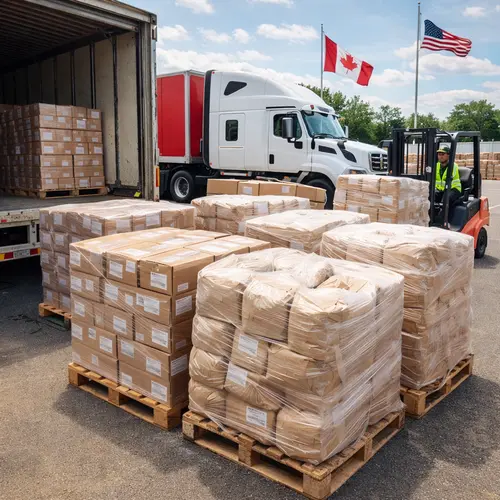
USA & Canada shipping support
Delivery terms, lead times, and pack formats vary by ingredient and lane. We’ll confirm the best option based on your destination, required delivery window, and how your facility receives freight (dock, appointment, limited hours, etc.).
- Lane-based routing: options depend on ship-from location and the ship-to postal code.
- Bulk formats: case packs and pallet quantities aligned to your operation.
- Handling awareness: moisture, odor, and temperature sensitivity considered.
- Documentation coordination: typical paperwork aligned to receiving needs.
- Communication: clear notes for special receiving requirements (appointments, reference numbers).
What to include (for faster quotes)
The fastest way to get a usable freight-inclusive quote is to include receiving details up front.
- Ship-to: city/state or postal code (USA/Canada)
- Delivery window: needed-by date + any blackout dates
- Receiving: dock or liftgate, appointments, hours, reference numbers
- Volume: cases/pallets (or monthly/annual usage)
- Format: whole, cut, powder, mesh/grind target
- Certifications: organic/kosher/non-GMO objectives if required
Freight modes (what they’re good for)
Most wholesale ingredient shipments move by pallet. The right mode depends on volume, lane, and delivery urgency.
- LTL (Less-Than-Truckload): cost-efficient for smaller pallet counts; more handling touchpoints.
- FTL (Full Truckload): best for larger volume or tight windows; fewer touchpoints, often smoother receiving.
- Split shipments: an option when you need partial quantities sooner or want to stage inventory.
Scheduling & appointments
Many production facilities require appointment delivery. Sharing your receiving constraints early reduces delays.
- Receiving hours and holiday blackouts
- Appointment requirements + contact details
- Purchase order references required on BOL
- Dock height notes or access constraints
Damage prevention basics
Good packaging and clear labeling reduce handling issues. We align palletization and packaging notes with practical shipping realities.
- Sturdy outer cartons and sealed inner liners
- Stretch-wrap, corner boards, and stable stacking
- Clear product and lot identification on cases where applicable
- Protecting odor-sensitive and moisture-sensitive items
Lead times: how to plan realistically
Lead times vary by ingredient category, format, and inbound supply. Some items ship quickly when inventory is available; others require scheduling, processing time (cuts/powders/blends), or inbound replenishment.
What can extend lead time?
- Custom processing (milling, cutting, blending)
- Non-standard packaging or special pallet requirements
- Seasonal availability or inbound supply cycles
- Lane constraints and appointment delivery windows
- Complex receiving requirements (limited access, short hours)
How to speed things up
- Provide your needed-by date and acceptable alternates
- Be flexible on pack size or origin if acceptable
- Consider FTL when timing is critical and volume supports it
- Share receiving constraints early (appointments, reference numbers)
- Align on a re-order cadence for predictable lanes
Packaging & palletization
Wholesale ingredients are typically shipped in cases and on pallets. Packaging depends on ingredient type, format, and handling needs. We’ll confirm packaging and pallet details during quoting so your receiving team knows what to expect.
- Common formats: cases, multi-wall bags, lined cartons (ingredient-dependent)
- Pallet quantities: varies by case size and stacking limits
- Liners & seals: helps protect from moisture and odor transfer
- Labeling: item identification and lot references when applicable
- Warehouse fit: you can request max pallet height or stack limits
Note: If your facility has pallet height limits, narrow doors, or floor-load rules, tell us up front.
Receiving-ready documentation
The goal is a shipment your team can receive, record, and move into inventory without delays. Documentation availability depends on ingredient and supplier, but we coordinate the standard set used in professional supply chains when available.
- BOL / shipment references: supports receiving and carrier tracking
- Lot identification: aligns paperwork to product markings where applicable
- Spec sheets: typical attributes and handling notes
- COAs: lot-based when available and relevant
- Allergen statements: supports label and compliance workflows
Storage reminders
Good storage protects flavor, aroma, and product performance. Always follow item-specific guidance when provided. As a general rule, keep products sealed, cool, dry, and protected from strong odors.
Dry ingredients
- Keep sealed to prevent moisture pickup
- Store away from heat sources and humidity
- Avoid strong odors (spices can absorb odors)
- Rotate inventory using FIFO/FEFO practices
Oils & sensitive items
- Protect from heat and light
- Ensure tight seals to reduce oxidation
- Store in stable temperature zones when possible
- Keep away from strong odors and chemicals
Receiving checks
- Inspect packaging integrity before putting away
- Confirm counts and visible labeling
- Record lot/shipment references per your SOP
- Escalate damage promptly for resolution
Get a logistics-ready quote
Share your ingredient needs and receiving constraints. We’ll respond with availability, pricing, and lane-based shipping options.
- Ship-to postal code + delivery window
- Volume (cases/pallets) + re-order cadence
- Receiving requirements (dock, liftgate, appointments)
- Format (whole/cut/powder) + any certifications
Fast request template
Copy/paste into your message:
Ingredient:
Format / cut size:
Volume (cases/pallets or monthly usage):
Ship-to (city/state or postal code):
Delivery window / needed-by date:
Receiving (dock/liftgate, appointments, hours):
Certifications (organic/kosher/non-GMO):
Documents required (spec/COA/allergen):
Prefer email? contact@atlastradehouse.com
FAQ
Do you ship to both the USA and Canada?
Yes. We serve customers in both markets. Share your ship-to postal code (or city/state), dock/appointment requirements, and requested delivery window, and we’ll confirm routing and delivery terms.
What lead times should I expect?
Lead times vary by ingredient, format (whole/cut/powder), and inbound supply. Some items can ship quickly when available, while others require scheduling or processing time. Provide your needed-by date and we’ll confirm the most realistic timeline.
Can you support urgent timelines?
Sometimes. We can explore alternate pack sizes, substitute origins, different lanes, or split shipments where it helps. The best approach is to share your deadline and minimum acceptable option so we can propose a workable plan.
Do you offer samples?
Sample availability depends on the ingredient and timing. Tell us what you’re evaluating and your preferred format, and we’ll confirm what can be supported.
What information do you need for a freight quote?
Ship-to location, delivery window, order volume (cases/pallets), receiving requirements (dock, appointment, hours), and any special constraints (liftgate, limited access). With these details, we can propose the best lane-based option.
How should ingredients be stored after delivery?
In general: keep sealed, cool, dry, and protected from strong odors. For oils and sensitive items, protect from heat and light. Your specific item may have additional guidance—ask if you’re unsure.