Home / Products / Seeds & Grains / Sesame (Natural, Hulled, Black)
Wholesale ingredient • Bakery, sauces & blends • Documentation support
Sesame (Natural, Hulled, Black)
Wholesale supply for Sesame (Natural, Hulled, Black) with consistent specifications, food safety documentation, and flexible formats for manufacturers, brands, and co-packers across the USA & Canada.
Need a clean hulled seed for buns, black sesame for contrast, or toasted sesame for aroma? Share your end-use and target format and we’ll match the right program to quote.
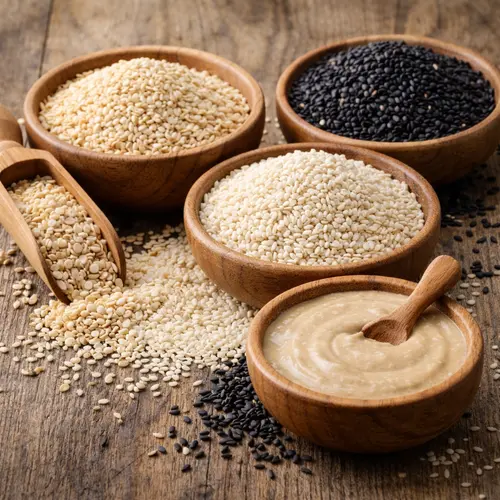
Sesame types
Type selection impacts color, flavor, and application fit.
- Natural (unhulled): retains hull; traditional texture
- Hulled: lighter color; common for bakery & sauces
- Black: strong visual contrast; specialty applications
- Toasted: aroma-forward flavor (program-based)
Common formats
Format selection affects dosing, dispersion, and finished-product appearance.
- Whole seeds: toppings, inclusions, seasoning blends
- Toasted seeds: flavor-forward applications
- Paste/tahini: sauces, dips, dressings (program-dependent)
- Meal/flour: blends and functional systems (program-dependent)
Documentation support
Documentation availability can vary by origin and program—request current details with your quote.
- COA & specification sheet
- Allergen statement (sesame)
- Lot traceability information
- Organic/kosher certificates (if requested)
Sesame buying guide (what to specify)
Sesame is typically specified by type (hulled/unhulled/black), processing (raw vs. toasted), and cleanliness requirements. Because sesame is a regulated allergen in many markets, documentation and traceability are also common RFQ elements.
Key RFQ inputs
- Type: natural (unhulled), hulled, black (or blend ratio)
- Processing: raw vs. toasted (toast level/color target if applicable)
- Cleanliness: foreign material tolerance aligned to your QA
- Moisture target: impacts storage stability and flow
- Application: bakery topping, seasoning blend, sauce/paste, snack
- Labeling: organic/kosher requirements (if applicable)
- Packaging: bag size, case pack, pallet configuration
If you’re using sesame as a bun topper, specify the “coverage look” you want—hulled sesame is often chosen for a classic bakery appearance, while black sesame is used for contrast or premium styling.
Quality, safety & handling considerations
Sesame performance is influenced by seed uniformity, cleanliness, and flavor profile (especially for toasted programs). Proper storage helps protect aroma and reduce rancidity risk over time.
What COAs may include
- Moisture
- Foreign material checks (program-based)
- Color/appearance guidance (black/hulled)
- Lot/batch identifiers
Allergen & traceability
- Allergen statement (sesame)
- Lot traceability documentation
- Specification sheet alignment
- Program certificates (if requested)
Storage guidance
- Store sealed in cool, dry conditions
- Protect from heat and strong odors
- Use FIFO inventory practices
- Reseal promptly between uses
Toasted program notes
- Toast level affects aroma and color
- Over-toasting can increase bitterness
- Uniform roast supports consistency
- Protect toasted seeds from odor pickup
If you’re blending sesame into seasonings, matching particle behavior with other seeds/spices can reduce segregation and improve flavor consistency per serving.
Applications & recommended formats
Sesame can be used as a topping, texture inclusion, flavor component, or paste base. Below are common applications and what buyers typically choose.
Bakery toppings (buns, bagels)
- Best fit: hulled sesame
- Classic light color and appearance
- Uniform size supports consistent coverage
- Optional toasted program for aroma
Seasoning blends
- Best fit: toasted sesame (often)
- Strong aroma and flavor impact
- Match seed size to spices to reduce segregation
- Great for savory and snack seasonings
Sauces, dressings & dips
- Best fit: sesame paste / tahini (program-dependent)
- Consistent flavor and viscosity control
- Supports emulsified systems
- Specify roast profile if needed
Snack and cereal inclusions
- Best fit: hulled or toasted
- Texture and flavor layering
- Uniform dosing on blending lines
- Black sesame for premium contrast
Confectionery & toppings
- Best fit: black sesame (often)
- High visual contrast
- Pairs well with chocolate and sesame-forward profiles
- Control seed size for mouthfeel
Private label programs
- Best fit: hulled and black sesame SKUs
- Documentation set for retail channels
- Packaging formats aligned to your brand
- Organic/kosher programs (as required)
If you need a specific toast profile (light/medium/dark), include a target color or sample reference—toast level can materially change aroma and finished-product perception.
Packaging & logistics
Packaging selection depends on throughput and handling. For sesame, protecting against heat and strong odors helps maintain fresh flavor—especially for toasted seeds and paste programs.
Common wholesale packaging
- Bags in cases: controlled staging for production
- Bulk cases: simplified receiving for high-volume
- Palletized shipments: consistent receiving and planning
What to include for freight quoting
- Ship-to city/state/province (USA/Canada)
- Dock/forklift availability and receiving hours
- LTL vs. FTL preference (or “best option”)
- Requested lead time and release schedule
Options & documentation
Documentation availability can vary by origin and format—request current details with your quote.
- COA, spec sheet, allergen statement, and lot traceability
- Organic/kosher certificates (if requested)
- Toasted programs with roast profile targets (program-dependent)
- Paste/tahini programs (volume-dependent)
Common RFQ add-ons
- Hulled vs. unhulled vs. black selection
- Toasted vs. raw and toast level preference
- Cleanliness and foreign material tolerance
- Paste/tahini viscosity and roast profile needs
How to request a quote (fastest turnaround)
Share a few details and we’ll respond with options aligned to your application, spec needs, and delivery lane.
1) Type & processing
- Natural/unhulled, hulled, or black
- Raw vs. toasted (toast level if needed)
- Organic/kosher documentation needs
- Paste/tahini requirement (if applicable)
2) Application details
- Bakery topping, seasoning blend, sauce/dip
- Appearance and texture goals
- Any allergen documentation requirements
- Existing spec/COA to match
3) Volume & delivery
- Trial quantity and ramp plan
- Monthly/annual estimate
- Ship-to region (USA/Canada)
- Preferred packaging and release schedule
FAQ
Answers to common wholesale purchasing questions for sesame programs.
Do you have minimum order quantities (MOQs)?
MOQs depend on type (hulled/unhulled/black), packaging, and documentation needs (organic/kosher). Send your target volume and we’ll reply with options.
Which sesame is best for burger buns?
Many bakeries choose hulled sesame for classic light color and appearance. Toasted hulled sesame can add aroma, while black sesame is used for contrast and premium styling.
Do you offer toasted sesame seeds?
Toasted programs may be available. Include desired toast level or color guidance in your RFQ so we can quote the best-fit option.
Can you supply sesame paste or tahini?
Paste/tahini programs may be available depending on volume and supplier options. Share your viscosity and roast profile needs and we’ll confirm availability.
How should sesame be stored?
Store sealed in a cool, dry area away from heat and strong odors. Use FIFO practices and reseal promptly between uses to protect aroma and freshness.
Related categories
Browse categories where this ingredient is commonly sourced:
Request a quote for Sesame (Natural, Hulled, Black)
Share sesame type (hulled/unhulled/black), raw vs toasted preference, any organic/kosher requirements, annual volume estimate, and delivery region (USA/Canada).
Request Pricing