Wholesale ingredient • Documentation support • Custom packaging
Olive Oil
Wholesale supply for Olive Oil with consistent specs, food safety documentation, and flexible packaging for USA & Canada buyers—built for manufacturers, foodservice, and private-label programs.
Note: Olive oil is typically selected by type (extra virgin, refined, etc.), sensory profile, and stability needs for the final application. Share your use case (cooking oil, dressing, marinade, bakery, retail/private label) so we can propose a best-fit program.
Oil type
Extra virgin, virgin, refined, pomace (as needed).
Packaging
Case packs, drums, totes; private label pack size.
Quality targets
Sensory, stability, documentation requirements.
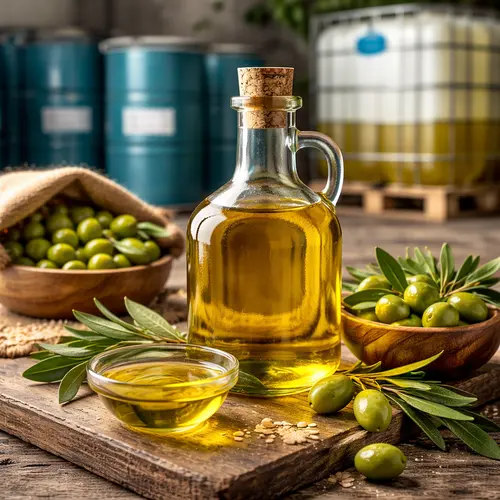
Why manufacturers buy olive oil
Olive oil is used for culinary flavor and functional performance in sauces, dressings, bakery, prepared foods, and foodservice.
- Flavor system base for dressings, marinades, and sauces
- Cooking medium for prepared foods and foodservice
- Premium positioning for retail and brand programs (program dependent)
What we support
Sourcing, documentation, and packaging alignment for procurement and QA teams.
- COA and specification sheet support
- Traceability & lot documentation
- Packaging formats for production and distribution
Best-fit customers
Ideal for teams that need continuity and repeatability across production runs.
- Food manufacturers and co-packers
- Foodservice operators and distributors
- Private label / retail brands (as available)
Olive oil types (selection guide)
Buyers commonly select olive oil based on flavor intensity, processing requirements, and heat application. Below is a practical guide; final performance depends on your formula and process.
Extra virgin olive oil (EVOO)
Typically selected for flavor-forward applications like dressings, dips, finishing oils, and premium retail positioning. Sensory profile and origin can be important.
Refined / “pure” olive oil
Often used where a milder profile and consistent cooking performance are desired (prepared foods, commercial kitchens, bakery).
Olive-pomace oil (program dependent)
Sometimes selected for certain high-volume cooking applications where cost targets and performance are key. Availability varies by market and program.
If your product is flavor-sensitive, tell us whether you need mild, balanced, or robust sensory and whether origin matters for your label.
Common formats & packaging
Olive oil is typically supplied in liquid form. Packaging is selected based on usage rate, storage, and production needs. Options vary by program and volume.
- Bulk (drums / totes for manufacturing and high-volume users)
- Foodservice (case packs for kitchens and distributors)
- Retail-ready / private label (pack sizes and labeling programs as available)
- Blends (custom blends may be possible depending on program and volume)
For bulk deliveries, include your receiving setup (pump capability, storage tank, forklift access) to match a suitable packaging format.
Options & documentation
- Label needs: ask for organic and kosher options (where available)
- QA package support: COA, specification sheet, country of origin details (program dependent)
- Traceability: lot documentation and packing details to support audits
- Import/export support: paperwork guidance for USA/Canada shipments when needed
Documentation availability can vary by origin and program—request current details with your quote.
Processing notes (what affects performance)
Olive oil performance in manufacturing is influenced by sensory profile, oxidative stability, and how the oil is handled and stored.
- Sensory: flavor intensity and aroma can vary by origin and harvest—spec alignment helps repeatability.
- Stability: exposure to heat, light, and oxygen can impact shelf life—packaging and storage matter.
- Process conditions: high heat vs cold applications may drive which type is best-fit.
- Filtration/clarity: some applications prefer filtered oils for appearance and stability (program dependent).
- Temperature management: cold conditions can cause clouding/solidification—define your storage environment.
Tell us whether your use is cold (dressings, dips), hot (frying, sauté), or mixed (sauces, prepared foods). We’ll recommend a program aligned to flavor expectations and production realities.
Typical specification checkpoints
These are common checkpoints procurement and QA teams request. Exact targets depend on the oil type and program. Request the current specification sheet for the option you’re quoting.
| Ingredient identity | Olive oil (type program-dependent: extra virgin, refined, etc.). |
|---|---|
| Grade / type | Defined by program; specify if you require extra virgin, refined, or other type. |
| Sensory profile | Aroma and flavor intensity targets; request mild/balanced/robust where applicable. |
| Clarity / filtration | Filtered vs unfiltered preferences can be specified depending on application and program. |
| Stability & storage | Storage guidance typically includes cool, dark conditions and sealed containers to reduce oxidation. |
| Food safety documentation | COA, spec sheet, origin details, and traceability documentation (program dependent). |
| Packaging | Case packs, drums, totes, and private-label formats (availability varies). |
| Shelf life | Provided by program; depends on storage conditions and packaging. |
If you have a target spec (sensory, filtration, stability) from an incumbent supplier, attach it for faster matching.
Common applications
Olive oil is used for both flavor and functionality across many categories.
Dressings & marinades
Flavor base for emulsions, vinaigrettes, and marinades (cold or ambient processing).
Sauces & prepared foods
Used for flavor and mouthfeel in sauces, spreads, and ready meals.
Bakery
Oil component for cakes, breads, and shelf-stable baked goods (formula dependent).
Foodservice cooking
Sauté, roast, and kitchen use; type selection depends on desired flavor and heat use.
Snack manufacturing
Used in certain snack lines for flavor or processing needs (program dependent).
Private label retail
Retail-ready programs can be explored depending on volume and packaging requirements.
How to request the right option
The fastest path to an accurate quote is a complete spec request. Use this checklist.
Select oil type
Extra virgin, virgin, refined, pomace (as needed).
Define sensory target
Mild, balanced, or robust; specify if origin is required for label.
Choose packaging
Case packs, drums, totes, or retail/private label pack size.
Confirm label claims
Organic? Kosher? Any other label requirements.
Share volume + cadence
Annual volume estimate and shipment cadence help continuity planning.
List QA documentation needs
COA, spec sheet, origin, traceability requirements.
For private label requests, include target pack size(s), cap/closure preferences, and a forecast (first 6–12 months).
Packaging, logistics, and supply planning
Wholesale programs are designed for repeat orders and production planning. Packaging options and lead times vary by program and origin, so we’ll confirm availability during quoting.
Bulk receiving
Share whether you can receive drums/totes and your pumping/storage setup to match the best option.
Lead time
Depends on oil type, packaging, inventory position, and private-label requirements.
Continuity
Forecast sharing supports continuity planning and reduces variability across shipments.
For flavor-sensitive products, request a retained sample or reference standard approach for ongoing sensory alignment (program dependent).
Related categories
Browse categories where this ingredient is commonly sourced:
FAQ
Quick answers for procurement, QA, and product teams.
MOQs depend on oil type (extra virgin vs refined), packaging (case vs drum/tote), and any private-label requirements. Share your target volume and we’ll reply with options.
Yes. Where available, we can quote organic and conventional options so you can compare cost, labeling, and continuity.
Programs vary, but common options include extra virgin olive oil, virgin olive oil, refined olive oil, and olive-pomace oil. Share your use case and target spec for current availability.
Private label support may be available depending on volume and packaging format. Share your target pack size, labeling needs, and forecast so we can evaluate options.
Common documentation includes COA, specification sheet, country of origin details, and lot traceability information. Documentation availability varies by program.
Send the oil type (extra virgin/refined/etc.), packaging preference (case/drum/tote), annual volume estimate, ship-to region (USA/Canada), and any quality parameters you require. If you have a target spec sheet, attach it.
Have a specific requirement (origin labeling, sensory profile, filtration preference, packaging constraints, documentation list)? Add it to your request.
Request a quote for Olive Oil
Share target specs (organic/kosher), oil type (extra virgin/refined/etc.), packaging (case/drum/tote or private label pack size), annual volume estimate, and delivery region (USA/Canada). If you’re replacing an existing oil, include your current specification sheet and sensory expectations.
Best details to include
- Oil type: extra virgin / refined / pomace (as needed)
- Packaging: case packs / drums / totes / private label pack size
- Sensory target: mild / balanced / robust
- Label claims: organic / kosher
- Annual volume + shipment cadence
- Ship-to: USA or Canada (state/province helps)
- QA docs: COA, spec, origin, traceability
Helpful extras (optional)
- End use: cold (dressings) vs hot (cooking) vs mixed
- Storage conditions and temperature constraints
- Filtration/clarity preference
- Private label packaging components and label artwork timeline
- Commercialization timeline
If you want a “value + premium” option set, tell us your target cost range and we can propose multiple programs to compare.