Home / Products / Coconut Ingredients / Cream
Note: Cream is a dairy ingredient. If this page is meant to live under a dairy category, consider updating the category link for navigation consistency.
Wholesale ingredient • Documentation support • Custom processing
Cream
Wholesale supply for dairy cream with consistent specs, allergen documentation (milk), and flexible formats for manufacturers and brands in the USA & Canada.
Fastest quote: share target butterfat range, format (refrigerated/frozen/UHT where applicable), packaging, annual volume, and ship-to region.
Overview
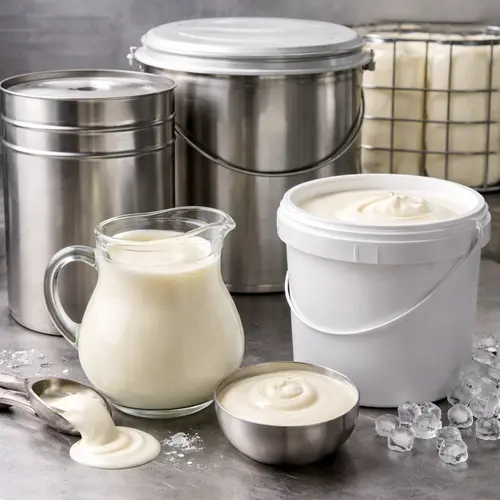
Cream is a foundational dairy ingredient used to deliver richness, mouthfeel, and functional fat performance across beverages, sauces, bakery, frozen desserts, and confectionery. In industrial purchasing, the key variables are butterfat range, heat treatment, packaging format, and temperature control during transit and receiving.
- Flavor: clean dairy notes and richness
- Functionality: fat phase for texture, viscosity, and stability in emulsions
- Process fit: choose format aligned to your heating/cooling steps
- Operations: cold-chain requirements for many formats
Cream contains milk and is an allergen. If you have strict allergen segregation or documentation requirements, include them in your quote request.
Who buys cream in bulk
We support manufacturers, co-packers, and foodservice operators who need consistent specs, packaging options, and documentation for vendor approval.
Fast quote checklist
- Butterfat: target range (light vs heavy)
- Format: refrigerated / frozen / UHT (where applicable)
- Packaging: pails, drums, totes; unloading equipment
- Lane: ship-to state/province + receiving hours
- Docs: spec, COA, allergen statement (milk), certs
- Volume: trial + annual forecast
Common end uses
- Sauces, soups, and savory bases
- Ice cream and frozen desserts
- RTD beverages and dairy bases
- Bakery fillings and custards
- Foodservice applications
What buyers optimize
- Butterfat consistency
- Cold-chain reliability
- Flavor and color uniformity
- Emulsion performance
- Documentation readiness
Documentation support
- Specification sheets
- Lot COAs
- Allergen statement (milk)
- Origin / traceability
- Certificates where applicable
Formats & butterfat levels (program-dependent)
Cream programs differ by butterfat level and by how the product is processed and packed. Share your application and receiving capabilities to confirm the best-fit option.
Light cream programs
Light cream options are often selected when you need dairy flavor and some richness but want a lower-fat system than heavy cream. Common for sauces, bases, and certain beverage applications.
- Best for: savory bases, sauces, some beverage systems
- Optimize: butterfat range and stability in your process
- Note: specify your heating/shear steps
Heavy cream programs
Heavy cream is selected for higher richness and functional fat contribution in desserts, fillings, and premium dairy systems. Butterfat consistency is often a primary procurement target.
- Best for: frozen desserts, custards, fillings, rich sauces
- Optimize: butterfat target and emulsion performance
- Note: confirm compatibility with your homogenization/processing steps
Refrigerated bulk cream
Refrigerated formats are common in regional lanes with reliable cold-chain transit and fast receiving cycles.
- Best for: continuous production with frequent deliveries
- Optimize: delivery scheduling and receiving temperature controls
- Note: confirm your dock capability and storage capacity
Frozen or shelf-stable (UHT/aseptic) options (where available)
Some programs may include frozen or shelf-stable cream options depending on application needs, availability, and volume.
- Best for: longer storage windows and certain distribution needs
- Optimize: thawing SOPs (frozen) or process fit (UHT)
- Note: availability varies—confirm with your quote
If cold-chain risk is a concern, tell us your lane and storage limits—we can discuss practical options.
Choosing the right option (quick guide)
| Need | Typical choice | Why |
|---|---|---|
| Maximum richness and fat functionality | Heavy cream program | Higher butterfat supports mouthfeel and texture. |
| Balanced richness at lower fat | Light cream program | Supports creamy taste without heavy cream fat levels. |
| Frequent manufacturing runs | Refrigerated bulk | Optimized for steady supply and quick receiving cycles. |
| Longer storage window / lane constraints | Frozen or UHT (where available) | May support distribution needs when cold-chain risk is a concern. |
Tell us your process (heat, shear, homogenization) and your receiving environment. That’s usually enough to recommend a best-fit program.
Packaging & logistics (wholesale programs)
Packaging depends on supplier and lane. We’ll confirm available formats and net weights for your program and ship-to region.
Typical bulk packaging
- Pails: smaller programs and pilot runs
- Drums: common for manufacturing supply
- Totes / IBCs: high-volume programs with frequent pulls
Tell us what equipment you have (forklift, drum handler, tote pump). It helps match a workable packaging option.
Cold-chain planning
- Receiving windows: align delivery to your dock schedule
- Temperature controls: confirm your storage and unloading conditions
- Scheduling: plan to avoid delays that can impact product integrity
- Documentation: ensure COAs and lot numbers match receiving SOPs
If you have strict temperature requirements, include them with your quote request.
What to include on a PO (practical checklist)
- Butterfat target range and product description
- Packaging format and net weight
- Required documentation (spec, COA, allergen statement, certs)
- Ship-to location, receiving hours, and dock requirements
- Lot traceability requirements
Typical specification parameters (buyer checklist)
Specifications vary by program and supplier. The checklist below reflects common parameters procurement and QA teams align on for cream. We’ll provide the actual spec sheet and lot COA for the offered product.
| Parameter | Why it matters | What buyers commonly specify |
|---|---|---|
| Butterfat (range) | Controls richness, texture, and finished product performance. | Target butterfat range aligned to formulation. |
| Heat treatment / process type | Impacts shelf life and process compatibility. | Refrigerated vs UHT/aseptic (where applicable). |
| Viscosity / physical properties | Affects pumping, blending, and dosing. | Flow constraints based on equipment. |
| Flavor / odor | Ensures consistent dairy sensory profile. | Clean dairy notes; absence of off-notes. |
| Micro (as applicable) | Required for many retail and beverage programs. | Micro targets aligned to customer requirements. |
| Allergen statement | Milk allergen declaration is required. | Milk allergen + cross-contact disclosures. |
| Certifications | Needed for certain customers and labeling. | Kosher/organic certificates where applicable. |
| Traceability | Supports receiving and production planning. | Lot codes, origin details, receiving documentation. |
Common buyer requirements
- Consistent butterfat and stable performance in emulsions
- Reliable cold-chain delivery and receiving documentation
- Clear allergen documentation (milk) for QA approval
- Defined micro targets for retail programs
What to include if you have an internal spec
- Target butterfat range and acceptable variance
- Format preference (refrigerated/frozen/UHT where applicable)
- Micro requirements and shelf-life minimum at receipt
- Packaging and unloading constraints
- Documentation list (spec + COA + allergen + certs)
Applications
Cream is used to build richness and stability across a wide range of products. Below are common applications and what buyers typically optimize for.
Sauces, soups & savory bases
- Goal: creamy mouthfeel and stable emulsion
- Optimize: fat level, heat stability, and mixing process
- Note: share your cook temperatures and shear conditions
Frozen desserts
- Goal: richness, texture, and freeze-thaw performance
- Optimize: butterfat consistency and blend performance
- Note: confirm compatibility with your base formulation
RTD and dairy bases
- Goal: dairy richness with stable processing
- Optimize: process type and spec alignment for your co-packer
- Note: share whether you homogenize and your heat treatment steps
Bakery fillings & custards
- Goal: rich dairy flavor and texture
- Optimize: butterfat range and flavor consistency
- Note: define shelf-life and handling requirements
R&D and scale-up (practical tips)
Reduce variability
- Lock butterfat range and key acceptance criteria before scaling
- Confirm supply continuity for your planned production windows
- Align QA documentation and lot release procedure
Improve operational reliability
- Match packaging to your unloading equipment and storage
- Plan delivery windows to maintain cold-chain integrity
- Confirm your receiving inspection checklist and temperature requirements
If you’re deciding between cream and cream powder, tell us your application and handling constraints—we can quote the most practical format.
Quality & documentation support
We support procurement and QA teams with documentation needed for receiving, approvals, and production planning. Documentation availability depends on supplier and program—request current details with your quote.
Common documentation
- Specification sheet (butterfat range, physical properties)
- COA per lot (lot-level results)
- Allergen statement (milk; cross-contact disclosures)
- Country of origin and traceability details
- Certificates (organic/kosher where applicable)
How we help you move faster
- Align must-have parameters before booking
- Confirm packaging and case packs for your workflow
- Support lot traceability for production scheduling
- Discuss continuity planning for repeat programs
If your QA team uses a vendor questionnaire, attach it with your inquiry to streamline approval.
Handling & storage notes
Cream handling depends on the format. Refrigerated and frozen programs typically require temperature control during transport, receiving, and storage. Share your receiving conditions so we can recommend the most practical option.
Receiving checklist (practical)
- Confirm delivery temperature and condition upon receipt
- Verify lot codes match COA and paperwork
- Inspect packaging integrity before unloading
- Follow your SOPs for sampling and QC release
Storage & handling best practices
- Maintain required storage temperatures for your format
- Use FIFO rotation and track lot numbers
- Use compatible pumps/hoses for dairy fats and sanitize per SOP
- Minimize temperature abuse and prolonged dock exposure
If you require a minimum remaining shelf life at receipt, include it in your quote request.
FAQ
Questions we hear often from manufacturers and brand buyers.
What types of cream can you supply?
Depending on program availability and lane, cream options can include light cream, heavy cream, and other butterfat ranges for manufacturing. Packaging may include refrigerated bulk, frozen formats, or shelf-stable UHT/aseptic options where available.
Do you have minimum order quantities (MOQs)?
MOQs depend on butterfat level, packaging format, and certification requirements (organic/kosher). Share your target volume and ship-to region and we’ll reply with MOQ and pricing tiers.
Can I request organic and conventional pricing?
Yes. Where available, we can quote organic and conventional programs so you can compare cost, lead time, and documentation requirements.
What documentation can you provide?
Common documentation includes spec sheets, lot COAs, allergen statements (milk), and certificates such as kosher or organic where applicable. Documentation availability varies by program.
How should cream be stored and shipped?
Storage and shipping depend on format. Refrigerated and frozen programs require temperature control during transit and receiving. Share your receiving capabilities (cold storage, unloading equipment, dock schedule) for best-fit guidance.
Is cream allergen-free?
No—cream contains milk. Allergen statements and cross-contact disclosures can be provided based on supplier documentation.
How do I request a fast quote?
Share: target butterfat range, preferred format (refrigerated/frozen/UHT where applicable), packaging and unloading constraints, trial and annual volume, ship-to region, and required documentation (spec/COA/allergen/certs). If you have an internal spec, attach it.
Related categories
Browse categories where this ingredient is commonly sourced:
Request a quote for Cream
Share target specs (organic/kosher), target butterfat range, preferred format (refrigerated/frozen/UHT where applicable), annual volume estimate, and delivery region (USA/Canada). Use the quick builder below to pre-fill details—then click Request Pricing.
Quick quote builder (optional)
What we’ll confirm in our reply
- Available programs: butterfat ranges and format options for your lane
- Packaging: pails/drums/totes and workable net weights
- Documentation: spec sheet, lot COA, allergen statement (milk), certificates where applicable
- Lead time: current availability and cold-chain considerations
- Next steps: sampling, vendor setup, and continuity planning
Prefer email? Write to contact@atlastradehouse.com with “Cream” in the subject.