Wholesale ingredient • Documentation support • Custom processing
Cacao Paste/Liquor
Wholesale supply for Cacao Paste/Liquor (also called cocoa mass or chocolate liquor) with consistent specifications, lot documentation, and flexible formats for manufacturers, brands, and co-packers in the USA & Canada.
If you’re building a chocolate system (liquor + butter + powder), tell us your finished product target (dark chocolate, coatings, beverages, bakery inclusions) and we can align compatible ingredients.
What is cacao paste/liquor?
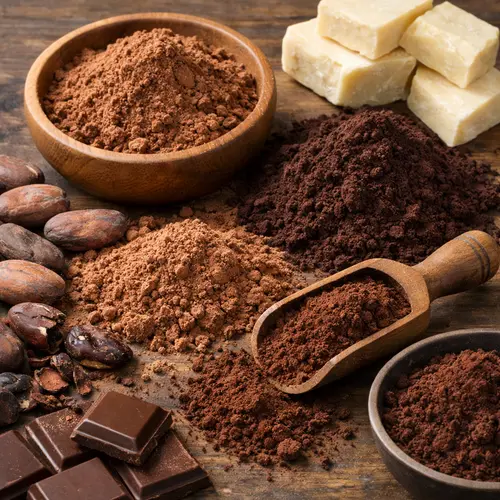
Cacao paste/liquor is produced by grinding cacao nibs into a smooth, flowing mass. It contains the natural fat (cocoa butter) and the non-fat cocoa solids in their original proportions. Because it is 100% cacao with no added sugar, it is a core building block for chocolate manufacturing, confectionery, bakery systems, and certain beverage and flavor applications.
The terms cacao paste, cacao liquor, cocoa mass, and chocolate liquor are commonly used interchangeably in B2B ingredient trade. What matters commercially is the program: origin, roast profile, alkalization (if any), format, microbiological targets, and the documentation package.
Note: “Liquor” here does not mean alcohol. It refers to the liquefied state of ground cacao. Always confirm whether you need natural or dutch-processed/alkalized cocoa ingredients elsewhere in your formula (typically relevant for cocoa powder, and sometimes for finished chocolate systems).
Why manufacturers choose cacao liquor
- Flavor control: build distinct profiles from origin and roast parameters
- Texture & mouthfeel: natural cocoa butter content supports smoothness
- Versatility: base for chocolate, coatings, fillings, bakery, and beverage systems
- Consistency: program-defined specs help maintain batch-to-batch repeatability
- Label-friendly: supports clean ingredient decks (100% cacao)
If you’re optimizing taste or cost, we can discuss multi-origin blends, sensory targets, and format changes (blocks vs wafers) to improve manufacturing efficiency.
Common formats
Format influences melting speed, batching accuracy, and production throughput. Below are the most common options.
- Blocks / slabs: traditional bulk format; best for facilities that break and melt in kettles
- Wafers / pistoles: fast-melting, easy dosing, reduced labor
- Chips / drops: convenient for smaller batch sizes and high-speed melting
- Bag-in-box or lined cartons: common export-ready pack-outs
Tell us your melter type (kettle, continuous melter, jacketed tank) and typical batch size so we can recommend a format.
Program options (availability varies)
- Conventional cacao liquor programs for industrial manufacturing
- Organic cacao liquor where certified supply is available
- Single-origin or origin-specific programs for premium positioning
- Blended origin programs for consistent year-round flavor targets
- Custom roast profile support for larger-volume projects
If you need specific claims (organic/kosher/non-GMO) or customer audit compliance, include them in your request so we can quote only compliant programs.
Typical specification checkpoints
Specifications are program-dependent and can be tailored for your use case. Below are common checkpoints buyers review during QA onboarding and ongoing purchasing.
| Ingredient identity | 100% cacao mass (ground cacao nibs). No added sugar unless specified as a blend. |
|---|---|
| Fat content (cocoa butter) | Typically controlled within a program-defined range for viscosity, mouthfeel, and processing behavior. |
| Flavor & aroma | Sensory targets may include chocolate intensity, acidity, bitterness, roast notes, and absence of off-notes (smoky/burnt/moldy). |
| Particle size / fineness | Impacts texture and mouthfeel; relevant for chocolate and fillings. Specify targets if your process is sensitive. |
| Viscosity / flow | Important for pumping, dosing, and mixing when melted; align targets with your melter and line setup. |
| Microbiological criteria | Program-defined microbiological limits (relevant for ready-to-eat or minimal further processing applications). |
| Foreign material controls | Screening, magnets, and process controls per supplier program; confirm your facility requirements if critical. |
| Allergen statement | Allergen declaration and cross-contact statement provided as part of the documentation package. |
| Heavy metals / residues | Testing and compliance statements may be available depending on program, customer requirements, and destination market. |
| Certifications | Organic/kosher/non-GMO documentation provided when applicable and requested. |
If you purchase against a specific spec sheet, paste it into your RFQ and we’ll confirm compatible programs.
What to send for the best match
Chocolate, coatings, fillings, bakery, beverages, ice cream, inclusions, etc.
Deep cocoa, fruity notes, reduced acidity, roast intensity, bitterness control, etc.
Melting setup, target viscosity/flow, batch sizes, tempering needs (if applicable).
Organic/kosher, audit docs, allergen controls, microbiological targets, customer requirements.
If your product is ready-to-eat or has minimal kill step after receiving, mention it. We’ll prioritize programs aligned to tighter microbiological controls where available.
Common applications
Cacao liquor is used anywhere you need real cacao solids and cocoa butter in a single ingredient. Many manufacturers use it as the foundation for a controlled chocolate profile.
- Chocolate manufacturing: base for dark chocolate and chocolate systems
- Compound/coatings systems: flavor base where cocoa solids are required
- Fillings & ganache: melted liquor for deep cocoa notes
- Bakery: brownies, cakes, cookies, fillings, and inclusions
- Frozen desserts: ice cream variegates and chocolate ripples
- Beverages: chocolate syrups and premium cocoa beverage bases
Operational considerations
- Melting behavior: wafers/drops often reduce melt time and labor vs blocks
- Batch accuracy: smaller formats support precise dosing and repeatability
- Temperature management: maintain controlled melt temps to protect flavor and reduce oxidation
- Cross-contact controls: confirm allergen statements and facility handling practices
- Storage planning: cool, dry storage; protect from odors and temperature swings
If you need a specific melting profile (fast melt, controlled viscosity), tell us your process temperatures and equipment.
Building a complete cacao system
Many customers source cacao liquor alongside complementary ingredients to control flavor, texture, and labeling: cacao butter (fat adjustment), cocoa powder (color/flavor), and sweeteners/emulsifiers (finished chocolate systems). If you want, send your formula goals and we can align compatible ingredient options for consolidated purchasing.
Useful to include: target cocoa % in finished product, sweetness level, whether you temper, and your preferred origin/flavor profile.
Also helpful: packaging preferences (blocks vs wafers), monthly volume, and destination lane for accurate freight planning.
Processing options (program-dependent)
While cacao liquor is a straightforward ingredient, program differences can significantly affect performance and taste. For larger-volume projects, we can discuss options such as:
- Origin selection: single-origin vs blended origin for flavor consistency
- Roast profile alignment: sensory targets (cocoa intensity, acidity, roast notes)
- Format customization: blocks vs wafers vs drops for melt speed and dosing
- Particle size targets: depending on your chocolate texture expectations
Common buyer questions we can solve
- “My batches vary in flavor.” → we can discuss program consistency and blending approaches
- “Blocks take too long to melt.” → switch to wafers/drops for faster throughput
- “I need organic + documentation.” → quote certified programs and provide onboarding docs
- “My line needs specific viscosity.” → align fat range and flow expectations with your process
Share your biggest constraint (taste, throughput, compliance, cost) and we’ll prioritize the most impactful program changes.
Quality & documentation support
We support manufacturing workflows with documentation aligned to purchasing, QA, and customer audit readiness. Availability depends on the selected program and origin.
- COA with lot identification and agreed analytical results
- Specification sheet (sensory + physical checkpoints)
- Allergen statement and cross-contact info
- Traceability support (lot IDs, packing data as available)
- Compliance statements as required for onboarding (program-dependent)
If your customer requires a specific documentation set, list it in your request and we’ll confirm what can be provided.
Certifications (where available)
Not every cacao program carries the same certifications. When quoting, we’ll confirm the certification status for your selected option.
- Organic certificates (for organic programs)
- Kosher documentation where applicable
- Non-GMO statements where applicable
- Country-of-origin documentation support
If you sell into specific retail or customer programs, share their requirements (audit platform, certification body) so we can confirm compatibility.
Packaging & logistics
Cacao liquor is typically shipped in lined cartons or bags to protect against moisture and odor pickup. For best results, align packaging to your facility receiving setup and storage conditions.
- Common pack-outs: lined cartons, bags, and export-ready pallets
- Temperature: avoid excessive heat exposure during transit and storage
- Receiving: verify lot IDs, seals, and documentation match your PO
- Storage: cool, dry, away from strong odors; use FIFO/FEFO
If you have temperature-controlled lane requirements or seasonal constraints, include them in your RFQ.
How pricing is commonly structured
Cacao liquor pricing generally varies with origin, program type (organic/single-origin), format, and freight lane. Share your requirements and we’ll quote the best-fit options.
- Program type: conventional vs organic vs origin-specific
- Format: wafers/drops may price differently than blocks due to processing/pack-out
- Volume tiers: better pricing at higher, repeat volumes
- Freight: ship-to location and pallet quantity impact landed cost
If you’re comparing quotes, request landed cost to your ship-to ZIP/postal code and confirm whether pricing includes freight and handling.
Frequently asked questions
Click a question to expand.
Is cacao paste/liquor sweetened?
Which format is best for manufacturing: blocks or wafers?
Can you support single-origin cacao liquor?
Do you provide COA/spec/allergen documentation?
Do you have minimum order quantities (MOQs)?
Request a quote for Cacao Paste/Liquor
To quote quickly and accurately, include as many of the details below as you can. If you’re not sure, send what you have— we can refine specs together.
Quote checklist
- Destination: USA/Canada + ship-to city/ZIP/postal code
- Format: blocks/slabs, wafers/pistoles, chips/drops
- Program: conventional, organic, single-origin, blended
- Volume: first order + monthly/annual estimate
- Use case: chocolate, coatings, fillings, bakery, beverages, frozen desserts
- Compliance: organic/kosher/non-GMO (if required) + customer audit needs
- Specs: fat range/viscosity targets (if you have them), sensory requirements, micro targets
- Timeline: target delivery window
Fastest way to get pricing
Use the request form and include your checklist details in the message field. If you have an internal spec sheet, paste it into the form message.
Prefer email? Write to contact@atlastradehouse.com with your destination and volume estimate.